Secure Your Journey Essential Ukraine Travel and Health Insurance for US Citizens
Planning a trip to Ukraine? As a US citizen, securing specialized travel medical coverage is essential for your peace of mind, ensuring you’re protected against unexpected medical costs and evacuation needs. Our guide helps you find affordable Ukraine health insurance for US citizens, so you can explore the country’s incredible culture safely and confidently.
Why US Travelers Need a Medical Policy for Ukraine
US travelers to Ukraine face significant risks from ongoing military conflict, unexploded ordnance, and disrupted civilian infrastructure, making a comprehensive medical policy non-negotiable. Standard travel insurance often excludes war zones, leaving you liable for payments that local hospitals may demand upfront. Given Ukraine’s strained medical system, emergency evacuation to a neighboring country like Poland can cost tens of thousands of dollars. A dedicated policy covering battlefield-related injuries and helicopter medevac is essential, as civilian clinics may lack resources for trauma care. Additionally, pre-existing condition coverage is critical if you require routine treatment while abroad. Do not rely on vague “comprehensive” plans—verify the policy explicitly includes war, civil unrest, and destination-specific exclusions. Without this, one injury could mean financial ruin or delayed life-saving care.
Understanding the current risk environment for American visitors
When Mark stepped off the plane in Kyiv, the air raid siren wasn’t on his itinerary. He had travel insurance—but it refused to cover his emergency evacuation. Medical evacuation coverage for Ukraine travel is not optional. Standard policies often exclude war zones, leaving travelers responsible for exorbitant costs. Hospitals in active regions may lack English-speaking staff or accept foreign insurance. A dedicated medical policy ensures you’re covered for conflict-related injuries, bomb shelter stays, and emergency airlift to a safer country. Without it, a routine trip can become a financial and safety nightmare. Protect your journey before you go.
How the U.S. government’s travel advisory affects coverage options
When Sarah landed in Kyiv, her rental car skidded on an icy road, leaving her with a broken wrist and a hospital bill that wiped out her savings. For US travelers, Ukraine’s healthcare system operates on upfront cash payments, and standard US insurance often goes ignored. Medical evacuation coverage for Ukraine travelers is your lifeline here, covering costly emergencies like transport to a Western-standard hospital. Without it, a simple injury can spiral into financial ruin.
- Hospitals demand immediate payment, even for life-saving care.
- US policies rarely cover foreign treatment, leaving you exposed.
- Evacuation alone can exceed $50,000.
Key differences between standard travel insurance and war-zone coverage
US travelers visiting Ukraine face unique medical risks, making specialized coverage essential. The ongoing conflict and infrastructure damage have disrupted healthcare systems, limiting access to routine and emergency services. A dedicated medical policy is imperative to cover emergency medical evacuation from active conflict zones, as standard travel insurance typically excludes war-related incidents. Additionally, travelers must consider:
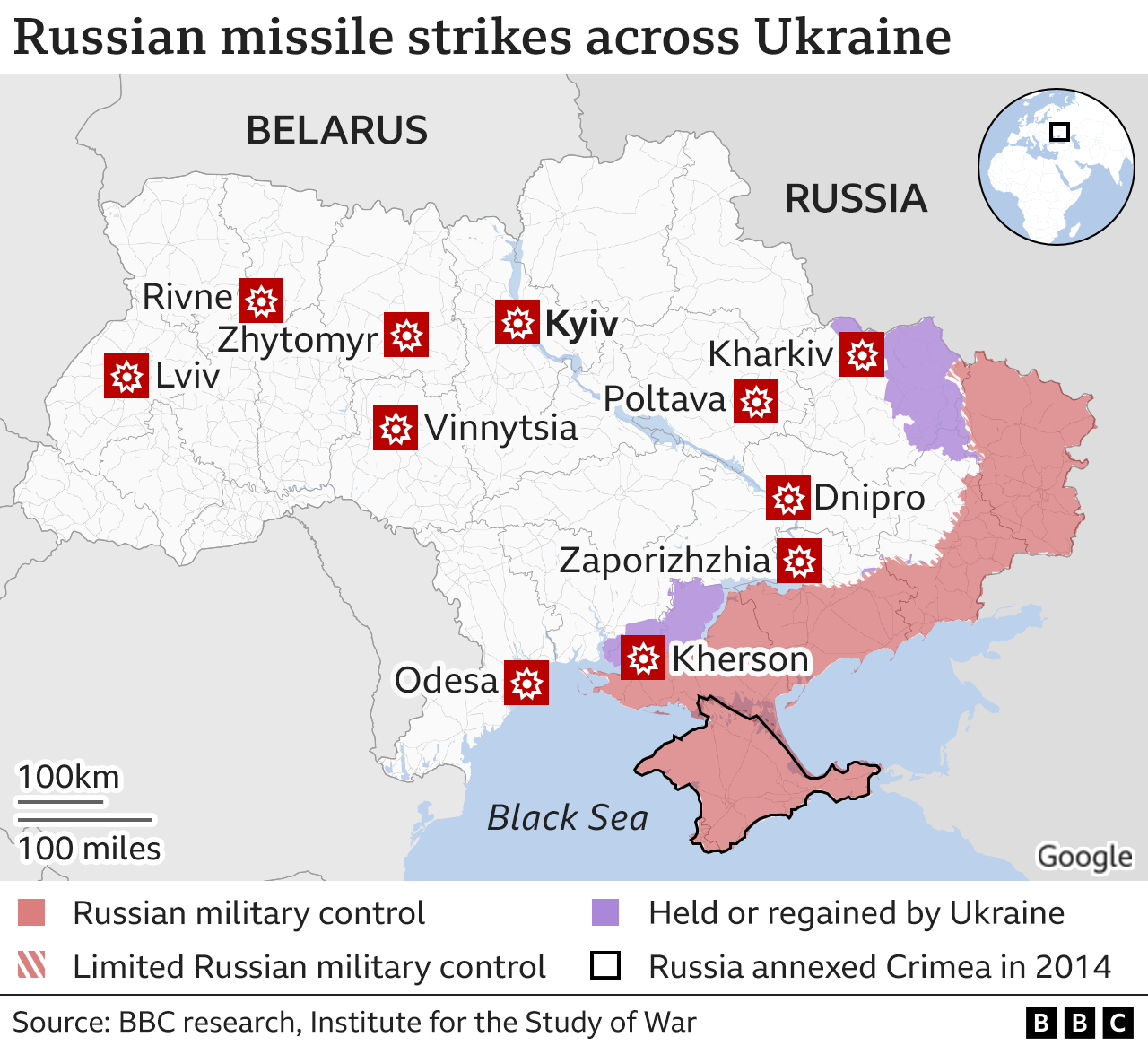
- Coverage for treatment of injuries from missile strikes or unexploded ordnance.
- 24/7 support for locating safe medical facilities in volatile regions.
- Reimbursement for prescription medications and specialist care.
Without a tailored policy, out-of-pocket costs for evacuation or acute care could exceed tens of thousands of dollars, making compliance with U.S. State Department travel warnings both a financial and safety necessity.
Mandatory Health Coverage Rules for Americans Entering Ukraine
Ukraine now requires all American visitors to have mandatory health coverage that meets specific minimum standards. This health insurance must provide at least $33,000 (€30,000) in medical coverage and is strictly enforced at border crossings. The rules apply to tourism, business trips, and even short-term stays. You can purchase an approved policy from a Ukrainian insurer or, for many, a travel insurance plan from a US provider that explicitly matches these requirements. Travelers without valid proof of coverage can be denied entry, so double-check your policy’s terms before flying. A common mistake is assuming a standard US plan covers overseas care—it usually doesn’t. Verify your policy includes emergency evacuation and repatriation to avoid costly surprises.
Without compliant insurance, you literally cannot cross the border—this rule is non-negotiable at every checkpoint.
Always carry a printed or digital copy of the certificate, as border guards ask to see it alongside your passport.
Border entry requirements and proof of insurance
Travelers to Ukraine must secure mandatory health coverage, as proof of valid insurance is required for entry. This rule, enforced since the COVID-19 pandemic, ensures visitors have access to medical care without burdening the local system. A policy must cover COVID-19 treatment, hospitalization, and emergency evacuation, with a minimum coverage of €30,000. Key requirements include:
- Policy must be issued by a Ukrainian insurer or a foreign company with a partner in Ukraine.
- Coverage period must match the entire stay in Ukraine.
- Border officials may request a physical or digital copy at the checkpoint.
Failure to present valid insurance can result in denied entry. This **dynamic requirement** streamlines healthcare access for Americans, reducing financial risks during unexpected medical emergencies.
Minimum coverage amounts and policy duration specifications
Since October 1, 2023, all foreign nationals entering Ukraine, including Americans, are legally required to possess a health insurance policy valid within the country, covering medical expenses, COVID-19 treatment, and emergency evacuation. This is a mandatory entry condition enforced at border checkpoints. Travelers must present either a physical or digital proof of coverage, with a minimum coverage amount of €30,000 (or equivalent). Without this document, border guards will deny entry at land crossings, airports, or seaports.
Travelers can use their existing international health insurance or purchase a local Ukrainian policy upon arrival, though buying in advance avoids delays. The rule applies to all stays, regardless of visa exemptions for short-term visits.
Q&A
Q: Can I use my U.S. Medicare or Medicaid in Ukraine?
A: No. Neither plan provides international coverage. You must purchase a separate travel health policy or a Ukrainian-approved insurance plan.
Digital vs. printed policy documents at customs checkpoints
Since Ukraine’s full-scale war began, its border rules have tightened sharply, and now every American traveler must carry **mandatory health insurance for Ukraine entry**. You cannot simply buy a ticket and hop on a plane; you must first secure a policy that covers the entire intended stay, including war-related risks. I learned this the hard way when a friend was turned back at Kyiv customs because his standard travel insurance explicitly excluded “military actions” and “nuclear incidents.” The new mandate requires specific minimum coverage:
- COVID-19 treatment and hospitalization
- Emergency evacuation from conflict zones
- Repatriation of remains to the U.S.
- Mine and explosive injury care
Without proof of this policy—usually presented as a printed certificate in English or Ukrainian—border guards can deny entry outright. For short visits, travelers often purchase “Ukraine-specific” plans from European insurers like AXA or local providers such as ERV. The rule is non-negotiable: no valid health documentation, no entry. So pack your bags, but pack that policy first.
Best Types of Medical Plans for US Citizens in Ukraine
For US citizens in Ukraine, the best medical plans typically involve a two-pronged approach: comprehensive international health insurance and a supplementary local policy. International plans like those from Cigna Global or GeoBlue are critical for covering evacuation and high-cost treatments, which local plans often exclude. These should feature at least $1 million in coverage for medical evacuation. Meanwhile, enrolling in Ukraine’s state system or a local private plan, such as from ASKANA or UNIQA, provides affordable access to routine care, including doctor visits and basic prescriptions within the country. While international plans are essential for catastrophic risk, a local policy is practical for everyday health needs. This combined strategy ensures robust protection for both major emergencies and standard medical services.
Comprehensive travel medical insurance versus trip cancellation plans
For US citizens in Ukraine, the best medical plans combine international health insurance with evacuation coverage, as local Ukrainian insurance often excludes repatriation. International private medical insurance with global coverage is essential, as it ensures access to private clinics in Kyiv or Lviv and covers emergency evacuation if needed. Look for policies that explicitly include Ukraine and waive war-related exclusions if possible. Top features to prioritize:
- Emergency evacuation and repatriation (crucial for serious injury or political instability).
- Outpatient and inpatient care at CitiDoctor, American Medical Center Kyiv, or Dobrobut network.
- Direct billing arrangements to avoid upfront payments.
- Telemedicine support in English for minor issues.
Avoid relying solely on travel insurance, as it typically caps coverage for long-term stays. Instead, choose a specialist expat plan (e.g., from Cigna Global or AXA) with a high evacuation benefit—ideally unlimited—and a deductible you can afford out-of-pocket for routine care.
Evacuation and repatriation coverage for conflict zones
For US citizens living in Ukraine, the best medical plans blend international coverage with local convenience. Comprehensive expat health insurance remains the top choice, offering worldwide emergency evacuation and access to private Ukrainian clinics. These plans typically cover outpatient visits, hospitalization, and prescription drugs in major cities like Kyiv and Lviv. Key features to prioritize include:
- Emergency medical evacuation to a higher-standard facility or back to the US if needed.
- Direct billing at accredited hospitals, avoiding upfront cash payments.
- War zone exclusions—check if the policy covers conflict-related injuries or if a separate rider is required.
Local Ukrainian plans are cheaper but lack repatriation benefits, making them risky for transient expats. Always verify network hospitals before enrolling.
Policies that cover COVID-19 and infectious diseases
For US citizens living in Ukraine, the most reliable medical plan is a comprehensive international health insurance policy that includes evacuation coverage. International health insurance for expats in Ukraine offers the key advantage of bypassing local public hospitals, which often lack English-speaking staff, by directing you to private clinics in Kyiv or Lviv. A top-tier plan typically includes:
- Medical evacuation to Western Europe or the U.S. for serious conditions.
- Outpatient and inpatient care at facilities like American Medical Centers or Dobrobut.
- Coverage for war-related injuries (available from specialized insurers like Cigna Global or GeoBlue).
One seasoned expat told me, “My evacuation saved my life after a motorcycle crash in Odesa.”
Coverage Gaps to Watch for in American Travelers’ Plans
Maria meticulously booked her dream trip to Italy, double-checking her policy for medical limits and trip cancellation. Yet, a sudden Italian train strike left her stranded in Florence, her non-refundable hotel in Rome lost. She discovered her plan had a stark coverage gap for non-medical evacuations and transport disruptions. Many travelers overlook that standard policies rarely cover pandemics, pre-existing condition flare-ups without a waiver, or “Acts of God” like ash clouds. Adventure activities like scuba diving or renting a scooter are often excluded. Always scrutinize the fine print for destination-specific risks, such as rental car liability in Mexico or theft coverage in high-crime urban zones. These hidden gaps can transform a polished plan into an expensive surprise, making thorough inspection the true traveler’s insurance.
Exclusions related to active war zones and civil unrest
When reviewing travel insurance for American trips, be particularly alert to medical coverage gaps for pre-existing conditions. Many standard policies exclude claims related to chronic illnesses like diabetes, heart disease, or asthma unless you purchase a waiver within a strict window (typically 14–21 days of your initial trip deposit). This gap can leave you with thousands in out-of-pocket hospital bills abroad. Furthermore, look for limitations on adventure activities—common sports like scuba diving below 30 meters, backcountry skiing, or even recreational bungee jumping are frequently not covered. Other critical gaps include:
- Repatriation caps: Some plans limit evacuation to $100,000, which may not cover a specialized medical flight from remote locations.
- Duration restrictions: Many policies disallow trips over 30–60 consecutive days, leaving long-term travelers unprotected.
- Secondary coverage only: If your home health insurance provides global benefits, some travel plans pay only after that primary policy declines, creating reimbursement delays.
Always verify the “exclusions” section in detail before purchase.
Pre-existing condition limitations and waiver options
American travelers often overlook three critical coverage gaps in travel insurance that can lead to significant out-of-pocket costs. First, many standard plans exclude pre-existing medical conditions unless waived within a strict enrollment window. Second, “cancel for any reason” upgrades are rarely automatic and only reimburse 50–75% of prepaid expenses. Finally, adventure sports and extreme activities—like scuba diving over 100 feet or heli-skiing—are typically void from basic policies. To stay protected, always verify these gaps before departure:
- Check the policy’s pre-existing condition clause and waiver deadline.
- Confirm CFAR coverage percentage and eligibility.
- Read the list of excluded sports or “dangerous activities” closely.
Adventure sports and transportation-related injury exclusions
You’re savoring a sunset cocktail in Cancún when a rogue wave snatches your phone. Back home, your “comprehensive” travel insurance doesn’t cover electronics unless stolen by force. This is where common coverage gaps in travel insurance often ambush unwary travelers. Many plans exclude “pre-existing medical conditions” if you’ve taken new medication in the past 60 days, leaving a heart patient stranded with a $50,000 airlift bill. Adventure sports like scuba diving or zip-lining are frequently gray areas—you’re covered only if you purchase a “hazardous activity” rider. Even trip cancellation clauses trip you up: canceling for a work deadline or a fear of hurricanes isn’t a qualifying reason. Before you pack, scan what’s excluded—it’s cheaper than learning the hard way.
Top Insurance Providers Offering Plans for Ukraine Trips
When planning a trip to Ukraine, it’s smart to choose from top insurance providers offering plans for Ukraine trips that actually cover the specific risks of traveling in the region. Companies like World Nomads and SafetyWing are popular for their flexible policies that include medical evacuation and trip interruption, while AXA and Allianz Global Assistance provide more comprehensive options with solid emergency support. Compare travel insurance for Ukraine carefully, as not all standard plans cover war-related incidents or high-risk zones.
Always double-check that your policy explicitly includes coverage for geopolitical instability and medical transport.
InsureMyTrip and Travelex also offer customizable packages, letting you add extras like cancel-for-any-reason clauses. These providers help you explore Ukraine’s rich culture and history with peace of mind, knowing you’re protected against unexpected medical or travel hiccups in this dynamic country.
Global insurers with robust Ukraine-specific policies
When planning a trip to Ukraine, selecting a provider that understands the region’s unique risk landscape is critical. Travel insurance for Ukraine is best sourced from specialists like Allianz Travel, World Nomads, and AXA Assistance, which offer robust plans covering trip cancellation, medical evacuation, and security-related disruptions. These policies often include coverage for geopolitical instability and drone strikes, which standard insurers may exclude.
Verify your policy explicitly covers war or civil unrest; many standard plans now specifically exclude Ukraine.
For comprehensive options, consider the following top providers:
- Allianz Travel Insurance – One of the few with clear “hostile event” add-ons for Ukraine.
- World Nomads – Covers emergency medical evacuation via private security, ideal for remote areas.
- AXA Assistance – Offers 24/7 crisis response and trip cancellation due to unexpected border closures.
Always read the fine print: some insurers update their country-specific advisories weekly for travel insurance for Ukraine.
U.S.-based companies that accept American citizens in high-risk areas
For travelers heading to Ukraine, securing robust coverage from top-tier providers is non-negotiable. Leading travel insurance companies now offer specialized Ukraine trip plans that address unique risks, including geopolitical instability and medical evacuation. World Nomads stands out with its flexible, comprehensive policies that cover adventure activities and emergency transport. AXA Assistance provides high medical limits and robust cancellation benefits, ideal for extended stays. Allianz Travel offers customizable plans with 24/7 assistance, while SafetyWing delivers affordable, long-term options for digital nomads and frequent visitors. Trawick International is a strong choice for its “cancel for any reason” add-on and evacuation support. These providers ensure secure, confident travel despite current conditions.
Comparison of deductible levels and emergency assistance features
When planning a trip to Ukraine, you’ll want reliable coverage from top insurers like AXA Assistance USA, World Nomads, and SafetyWing, which offer comprehensive plans that include trip cancellation, emergency medical evacuation, and war-related exclusions handled on a case-by-case basis. These providers stand out for their flexible policies and 24/7 support, crucial for navigating unpredictable situations. Always double-check the fine print for active conflict zones before buying. For quick comparisons, consider services like:
- AXA Assistance USA – Best for high medical limits and evacuation coverage.
- World Nomads – Ideal for adventurous travelers needing last-minute changes.
- SafetyWing – Great for long-term stays or digital nomads.
How to Purchase and Activate a Policy Before Departure
To purchase and activate a policy before departure, begin by comparing travel insurance plans online, focusing on coverage limits for medical emergencies, trip cancellation, and baggage loss. Select a plan that meets your destination’s requirements and your itinerary’s duration. Proceed to checkout, entering your personal details and trip dates accurately. Payment is typically made via credit card or digital wallet. After purchase, you will receive a confirmation email containing your policy documents and a unique certificate number. To activate the coverage, you must often follow the insurer’s specific instructions, which may include clicking a link in the email, downloading their mobile app, or simply ensuring the policy start date aligns with your departure. Some policies activate automatically upon purchase. For travel insurance activation, always confirm the effective date and carry both a digital and printed copy of your policy certificate for border control or claim filing.
Q&A
Q: What happens if I buy a policy on the day of departure?
A: Many insurers allow same-day purchase, but the policy typically activates at 12:01 AM the following day or after a short waiting period, not immediately at checkout. Check the terms for immediate coverage.
Steps for buying coverage online as a U.S. resident

To purchase and activate a policy before departure, first compare travel insurance plans online, focusing on coverage limits for medical emergencies and trip cancellation. Select a plan that matches your destination and duration, then complete the purchase by providing traveler details and payment. Travel insurance pre-departure steps require immediate activation after purchase. Most providers email a policy document and certificate; review these to confirm coverage dates and exclusions. Activate the policy by noting your policy number and emergency contact. Save digital copies on your phone and print a physical backup. Some insurers require a separate activation step via their portal or app; follow their specific instructions to ensure coverage is live from your departure date. Carry both the certificate and emergency contact details during your trip.
Verifying policy start dates and time-zone considerations
To secure coverage, purchase a travel insurance policy online at least a few days before departure. Compare plans, select one matching your trip duration and destination, then complete payment. You’ll receive a policy document and certificate via email. Activate travel insurance before departure by checking the policy start date matches your trip’s first day. Review the certificate to confirm coverage details, and save a digital copy on your phone. Print a physical backup for border crossings.
Coverage cannot be activated retroactively; always purchase before your trip begins.
If the policy requires manual activation, log into the insurer’s portal or app to set the start date. For annual multi-trip plans, ensure each individual journey is registered. Store the emergency assistance phone number separately.
Downloading insurer contact numbers and emergency app access
Before your journey begins, secure peace of mind by purchasing travel insurance directly through a provider or your airline’s portal, ideally at the same time you book your tickets. Pre-trip policy activation is a simple, two-step process. First, compare plans online, selecting one that covers trip cancellation, medical emergencies, and baggage loss. After payment, you’ll receive a confirmation email containing your policy number and a link to activate the coverage. Click that link, verify your travel dates and personal details, and within minutes, your protection is live. Print or save a digital copy of your policy—you’ll need it if a sudden storm or illness forces you to cancel. As you pack your bags, knowing that safety net is in place lets you focus on the adventure ahead, not the “what-ifs.”
Emergency Medical Care Access for Americans in Ukraine
For Americans traveling or residing in Ukraine, access to emergency medical care is a critical concern, particularly amid ongoing conflict. While major cities like Kyiv and Lviv have hospitals with some English-speaking staff, rural and frontline areas face severe shortages of ambulances and trauma specialists. The U.S. Embassy in Kyiv maintains a list of recommended facilities, but **emergency medical evacuation** is the primary lifeline for severe injuries, often requiring costly private flights to Germany or Poland. Travelers must secure comprehensive private insurance that specifically covers war zones and **medical evacuation services**, as local state hospitals can be overwhelmed. Immediate 24/7 help can be accessed by dialing 103, though wait times vary. Without robust planning, a heart attack or battlefield injury can transform a standard response into a frantic, high-stakes race against the clock.
Locating hospitals and clinics that accept international insurance
Getting emergency medical care in Ukraine as an American requires smart prep. Since the war started, the healthcare system is strained, especially near active conflict zones. Your primary safety net is medical evacuation insurance for Ukraine travel. Most local hospitals may ask for upfront payment before treating you, even in an emergency. The U.S. Embassy can’t pay your bills but can recommend English-speaking clinics in Kyiv and Lviv. Check your policy covers:

- Air ambulance out of the country
- Coverage for war-related injuries
- 24/7 coordination hotline
For minor issues, private clinics are reliable. But for severe trauma, your best bet is stabilizing care at a hospital in the west, then immediate evacuation.
Cashless treatment arrangements versus reimbursement models
For Americans in Ukraine, emergency medical care access requires proactive planning due to the country’s active conflict zones and strained healthcare infrastructure. Medical evacuation insurance for Ukraine is non-negotiable, as standard travel policies rarely cover war-related injuries. Most U.S. citizens rely on private clinics in Kyiv or Lviv for trauma care, as public hospitals face resource shortages. For minor emergencies, pharmacies offer over-the-counter basics, but serious incidents like shrapnel wounds demand immediate evacuation to EU facilities via contracted air ambulances.
- Essential steps: Register with the U.S. Embassy’s STEP program; carry a first-aid kit with tourniquets and hemostatic gauze.
- Key contacts: Emergency number 112 (local) or U.S. Embassy Kyiv (+380 44 521 5000).
Q: Does the U.S. Embassy provide direct medical care? No—but it can connect you to vetted private providers and facilitate evacuation if you lack insurance.
Language barriers and translation services provided by insurers
American citizens in Ukraine face significant barriers to emergency medical care, primarily due to the ongoing war and strained healthcare infrastructure. Access requires proactive preparation. Travel medical insurance with war zone coverage is non-negotiable, as standard policies exclude conflict-related injuries. Evacuation to a Western European facility is often the only viable option for severe trauma, given that Ukrainian hospitals near frontlines are overwhelmed or damaged.
- Register with the U.S. Embassy in Kyiv to receive security alerts and assistance.
- Identify private clinics in major cities (e.g., Lviv, Kyiv) that maintain English-speaking staff and blood supplies.
- Ensure your insurance includes medevac transport via helicopter or ground ambulance to Poland or Germany.
Without this preparation, response times can critically delay life-saving treatment. Relying on local emergency services (dial 103) is risky due to language barriers and resource shortages. Proactive planning is the only reliable strategy for maintaining access to emergency care in this volatile environment.
Filing Claims for Medical Expenses Incurred in Ukraine
Filing claims for medical expenses incurred in Ukraine requires adherence to specific procedures, typically involving private international health insurers or government reimbursement programs. Claimants must first obtain a detailed, itemized invoice and a medical report from the Ukrainian healthcare provider, translated into the insurer’s required language. All original receipts for consultations, procedures, medications, and hospital stays must be retained. International medical expense reimbursement often necessitates pre-authorization for non-emergency treatments. Claims are submitted via the insurer’s designated online portal or physical forms, accompanied by proof of payment and a completed claim form. Processing times vary, and rejections may occur if coverage limits or specific policy exclusions for foreign treatment are triggered. Maintaining clear communication with the claims https://innovative-ukraine.com/countries/united-states adjuster and ensuring all documentation is notarized or apostilled can facilitate a smoother settlement. Proper documentation validation is critical to avoid delays.
Documentation required for hospital stays and prescriptions
Filing claims for medical expenses incurred in Ukraine requires meticulous documentation, as international insurance providers often require detailed proof of service. The critical step-by-step process for medical expense reimbursement begins with obtaining an itemized invoice from the Ukrainian healthcare provider, translated into English by a certified translator. You must also secure a completed medical report describing the diagnosis and treatment, alongside original receipts for any purchased medications or supplies.
- Submit claims within 30–60 days of treatment, depending on your policy’s deadline.
- Include a copy of your insurance ID card and passport’s data page.
- For hospitalization, provide discharge summaries and surgical notes.
Q&A: “What if my Ukrainian hospital only issues paper receipts in Cyrillic?”
A: Have them notarized locally, then use a sworn translator in Kyiv or Lviv. Many insurers accept scanned copies if you email them immediately after treatment, but keep physical originals for audit.
Submitting claims while still in a conflict zone
After the missile strike damaged the clinic in Kharkiv, Olena learned the hard way that medical expense reimbursement for Ukraine required meticulous documentation. She gathered every hospital receipt, pharmacy slip, and doctor’s note like precious shards of glass. Submitting her claim to the international insurer meant proving each cost—from emergency surgery to bandages—was directly tied to the attack. Her key steps included: scanning all Ukrainian-language receipts, obtaining certified translations, and writing a brief incident report. Without a police certificate confirming the date and location, her claim stalled for weeks.
Q: Do I need original paper receipts?
A: Yes. Digital photos only work if originals are lost or destroyed—attach a signed affidavit explaining why. Q: Can family file for me?
A: Only with a notarized power of attorney in Ukrainian plus an English translation. Olena’s sister failed at this step twice.
Time limits and appeal processes for denied reimbursements
Filing claims for medical expenses incurred in Ukraine requires meticulous documentation to ensure reimbursement. Submit valid medical invoices and treatment records from licensed Ukrainian providers to your insurer or support program without delay. Gather these essential documents:
- Official itemized receipts in Ukrainian hryvnia, with English translations if required.
- Doctor’s notes and diagnostic test results confirming the condition treated.
- Prescription details and pharmacy receipts for any medications purchased.
- Proof of payment, such as bank statements or credit card slips.
Claims must typically be filed within 30 days of discharge, though war-zone policies may allow extensions. Always pre-approve non-emergency procedures with your insurer to avoid denials. Submit via secure online portals or designated claims offices, keeping certified copies for your records. Persistently follow up using your claim reference number set to secure timely resolution.
Renewing or Extending Coverage While Already in Ukraine
To renew or extend travel insurance while already in Ukraine, policyholders must typically contact their provider before the current policy expires, as many insurers impose strict deadlines for extensions. Options often depend on the original terms, with some companies allowing online renewals or requiring a phone call for high-risk zones. It is crucial to confirm that renewing coverage in Ukraine is permitted, as certain policies automatically terminate upon entry into conflict areas. Policyholders should expect potential premium increases or adjusted exclusions for war-related events. Providers may also request proof of ongoing residency or visa status. For seamless continuation, servicing existing policies from within Ukraine often requires direct communication to avoid lapses, which could complicate future claims. Always read the updated certificate thoroughly before acceptance.
Options for adjusting policy duration mid-trip
If your current policy is expiring while you are already in Ukraine, immediate action is required to avoid a lapse in protection. Your best option is to contact your insurer directly to confirm whether they permit in-country renewals, as many providers require you to be outside the country to modify coverage. For those needing an extension, a specialized war-zone travel insurance plan often offers the only viable solution. Securing uninterrupted risk coverage within an active conflict zone is critical for your safety and financial protection.
Do not assume your policy auto-renews; verify in writing with your provider before your current plan expires.
Consider these steps to ensure seamless coverage while in Ukraine:
- Check if your existing insurer offers a “while-in-country” extension—some do for short periods with updated risk assessment fees.
- If denied, search for specialty providers that explicitly cover individuals already residing in high-risk zones like Ukraine.
- Prepare digital copies of your new policy documents immediately after purchase, as physical delivery may be unreliable.
Cost implications and waiting periods for extensions
If your travel insurance is expiring while you’re in Ukraine, you must act immediately, as most policies won’t auto-renew while you’re inside a high-risk conflict zone. Contact your provider directly to request a new short-term policy or extension; some specialist companies allow mid-trip top-ups with emergency medical and evacuation coverage. Be prepared to pay a premium—often double or triple standard rates—and provide your current location, passport details, and proof of existing cover. Securing continuous coverage in a war zone is non-negotiable for safety. Without it, you risk being ineligible for medical assistance or evacuation if conditions worsen. Always read the fine print: many extensions exclude new injury claims if you’re in active combat areas. Check your policy’s exclusion clauses carefully before you pay.
Handling coverage gaps between expiring and new policies
Renewing or extending travel insurance while already in Ukraine requires proactive steps, as many standard policies do not allow automatic renewals from within active conflict zones. Travelers must contact their provider directly well before the expiration date to confirm eligibility for an extension. Insurers will often require updated proof of itinerary, a statement confirming the traveler’s current location, and an additional premium payment to cover the heightened risk. Some companies may deny extensions entirely and refer policyholders to specialized high-risk providers.Travel insurance extension eligibility varies by provider for Ukraine-based policyholders. Review the policy’s force majeure or government advisory clauses, as coverage may be voided if the trip was initiated against official travel warnings. If extended coverage is approved, ensure the new policy explicitly outlines evacuation, medical, and cancellation benefits within the conflict zone.

State Department Resources and Emergency Contacts for Travelers
The U.S. Department of State offers indispensable resources for global travelers, ensuring you are never without support. Through the Smart Traveler Enrollment Program, you can register your trip to receive real-time safety alerts and expedited assistance. For urgent crises, contact the nearest U.S. embassy or consulate, which provides emergency services like passport replacements and crisis coordination. The 24/7 Office of Overseas Citizens Services is reachable at +1-202-501-4444. Before departure, consult the country-specific travel advisories on travel.state.gov to navigate risks with confidence. Trust these official resources to safeguard your journey and resolve any unforeseen emergencies swiftly.
Registering with the Smart Traveler Enrollment Program (STEP)
When you’re traveling abroad, the State Department has your back with resources that can be a real lifesaver. The **Smart Traveler Enrollment Program (STEP)** is your go-to tool, letting you register your trip so the nearest U.S. embassy can reach you during a crisis, like a natural disaster or civil unrest. For urgent issues, you can contact the Office of Overseas Citizens Services in Washington, D.C., at 1-888-407-4747 (or +1-202-501-4444 from overseas). They help with emergencies like arrests, medical evacuations, or lost passports. Here’s what to keep handy:
- Local U.S. Embassy or Consulate: Save their number for after-hours emergencies.
- State Department’s Travel.State.Gov: Check for travel advisories and safety alerts.
- Consular Task Force: Available 24/7 at the main hotline above.
Q: What if I can’t reach the embassy right away?
A: Call the main D.C. emergency line—it’s always staffed and can coordinate help globally.
U.S. embassy and consulate medical assistance in Ukraine
The State Department transforms a traveler’s crisis into a coordinated lifeline. Through the Smart Traveler Enrollment Program (STEP), your location is known the moment a hurricane strikes or unrest erupts. The Overseas Citizens Services office in Washington, D.C. stands ready 24/7, coordinating everything from lost passport replacements to emergency evacuations. Emergency contact protocols for US citizens abroad remain the first line of defense in any crisis.
- In-Country Embassy: Locate the nearest U.S. embassy or consulate before departure; they offer direct support for arrests, medical emergencies, or missing persons.
- Washington D.C. Hotline: Call 1-888-407-4747 from the U.S. or Canada, or +1-202-501-4444 from overseas for immediate assistance.
- STEP Alerts: Enroll to receive real-time security messages and help the embassy reach you if communication lines fail.
Financial aid and loan programs for uninsured medical emergencies
The U.S. State Department offers indispensable resources for international travelers, primarily through its Smart Traveler Enrollment Program (STEP). By enrolling, you enable the embassy to contact you during a family emergency or a local crisis. Your key to safe international travel is proactive enrollment in STEP. For immediate help abroad, contact the nearest U.S. embassy or consulate. Essential emergency contacts include:
- Local Embassy Number: Found on the travel.state.gov country page.
- Overseas Citizens Services (OCS): Washington D.C. at +1-202-501-4444 for emergencies.
- State Department’s 24/7 Main Number: +1-202-647-5225.
Always save these numbers before you depart, and carry a printed embassy address card for reliable assistance in any unexpected situation.
